

When comparing multiple mix designs, test strips allow for comparative analysis of performance through seasonal changes to ensure proper mix design selection based specifically on geographical location and climate.
When comparing multiple mix designs, test strips allow for comparative analysis of performance through seasonal changes to ensure proper mix design selection based specifically on geographical location and climate.
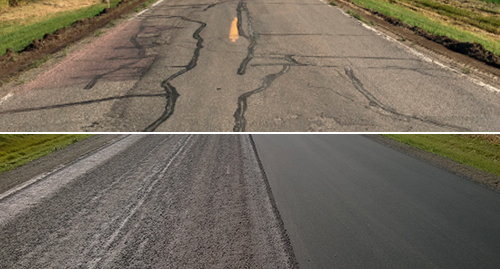
A regional wet cycle lasting the past 25 years in North Dakota created excessive subgrade moisture and road deterioration in Cass County. With 17 miles to re-construct on a limited budget, Cass County engineers looked for a better way to redesign their project specifications to fit a budget of $1 million dollars per mile.
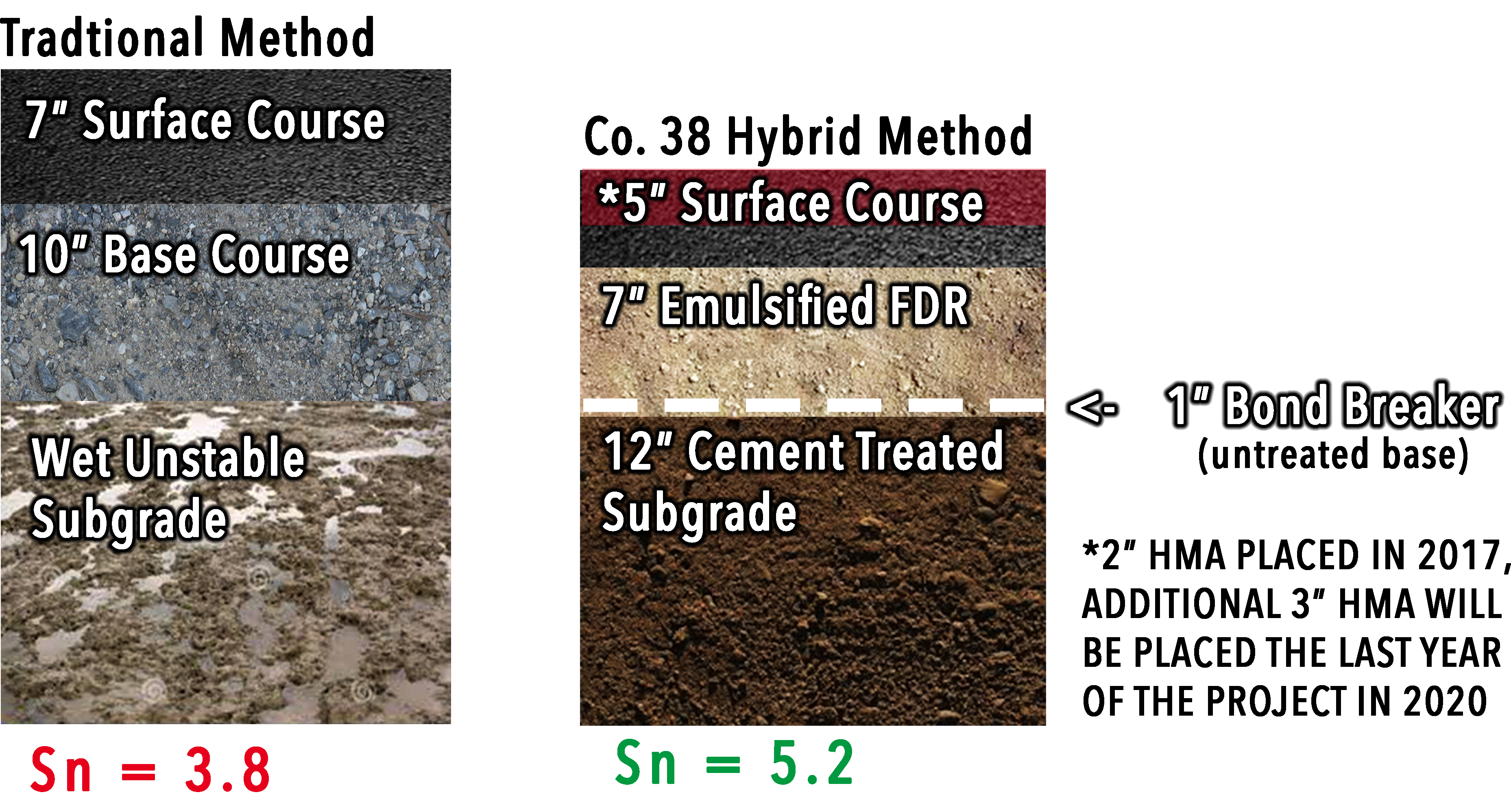
In partnership with ARRA (Asphalt Recycling and Reclaiming Association), Cass County hosted a 2-Day live seminar with demonstrations to showcase 14 different in-place recycling cross sections on their own county roads. Cass County engineers monitored the cross-section’s performance and chose to implement Cement Treated Subgrade and FDR with Emulsion to repair County Road 38. Implementing these techniques on 17 miles of CR 38 will save Cass County over $7.5 million dollars.


Base Stabilization was selected for its efficiency and cost savings over total removal and replacement. Problems with failing pavement layers, but not deep subgrade issues, made their parking lot a perfect candidate for Base Stabilization.
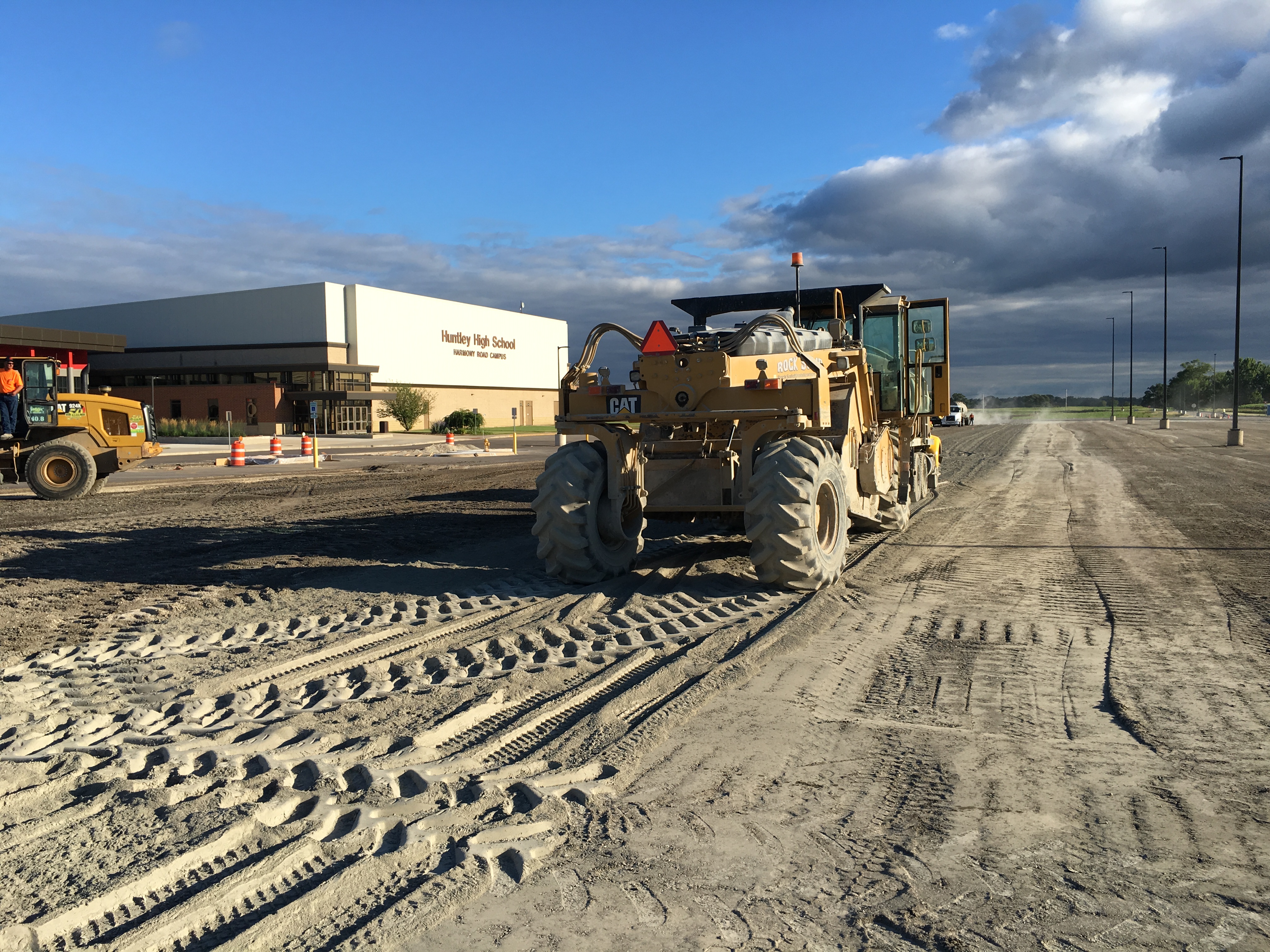
The asphalt in place was failing so badly that it was removed entirely. The estimated removal and replacement of the aggregate could have been as much as $275,000. The budget for this repair was fixed far below the potential cost to remove and replace the aggregate base. The school needed to find an alternative solution that would not compromise quality.
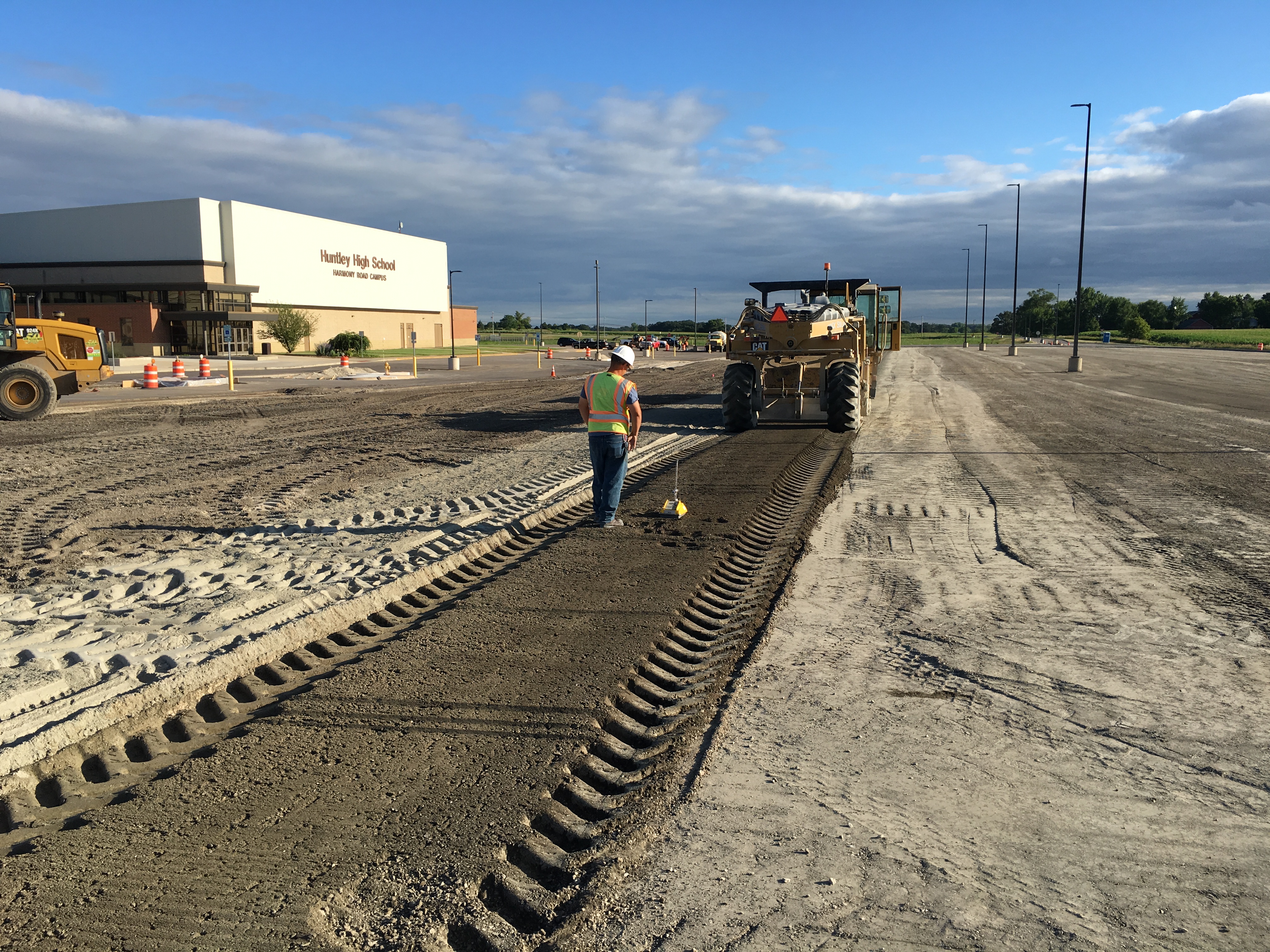
The general contractor on the project suggested a value engineered Base Stabilization of 5% cement, tilled at 12″ to help save the school thousands of dollars .
When engineers and contractors explore Soil Stabilization from the start of a job, savings of both time and money can increase dramatically.
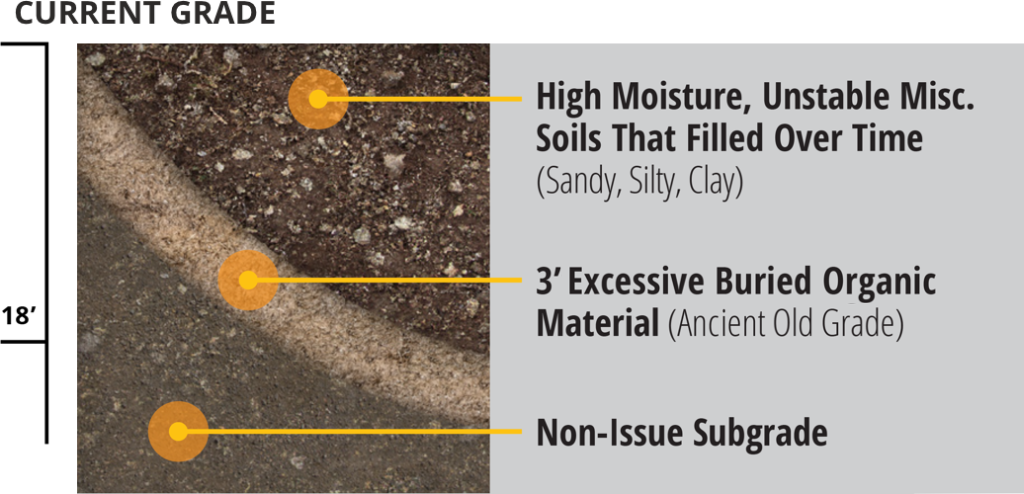
Engineers were faced with solving foundation issues caused by improperly placed fill material with high moisture content that had been placed atop 3′ of buried organic material, reaching depths of up to 18′. This combination made standard foundation construction impossible, prompting engineers to explore alternate solutions.
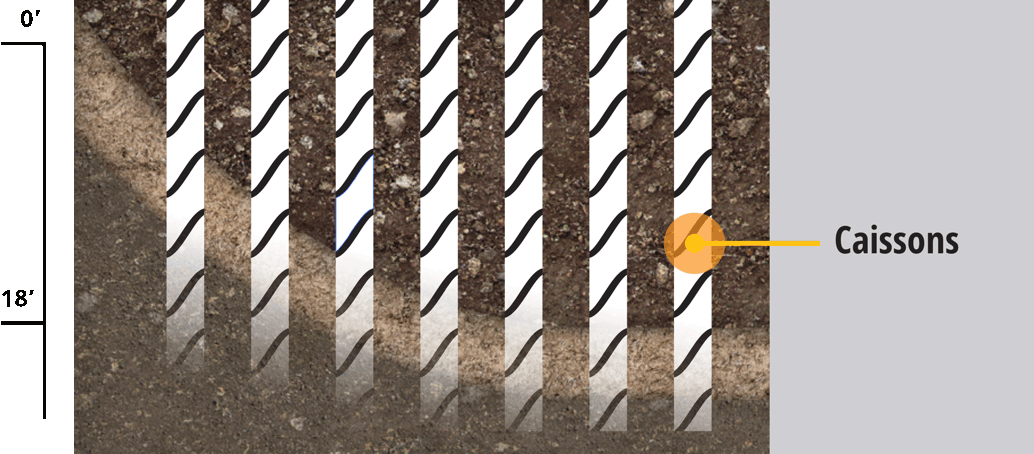
Caissons were originally specified to support the foundation, reaching into the stable subgrade below. This support system would require a non-conventional underground piping & construction process; a method that is known to cause major delays in construction and unexpected costs in maintenance.
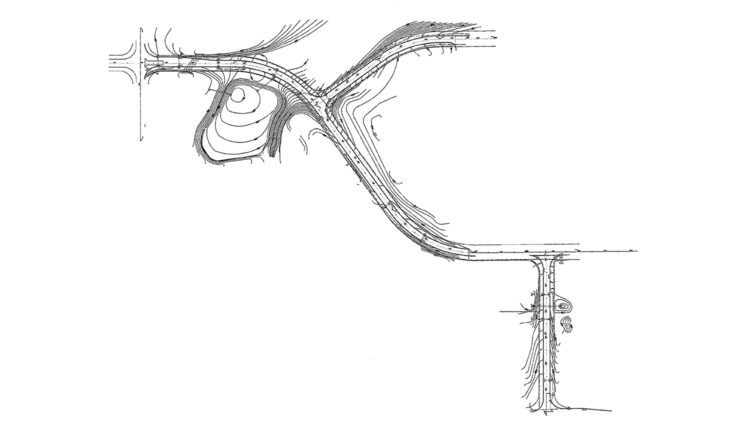
As a busy and thriving medical facility in need of improved accessibility, Northern Illinois Medical Center recently made plans to build a new entrance road to their facility. Initial testing showed that the soil in certain sections of the proposed site was not structurally sufficient to support overlying road structures. In answer to this problem, original plans called for undercutting several sections of the soil, up to 2 feet deep, and replacing it with stone. Since the scope of the problem was not yet fully known, it wasn’t possible to accurately estimate the extent to which undercutting would be necessary, meaning that costs could vary widely, and in a worst case scenario, vastly exceed original estimates for the project. Another side effect of undercutting only certain sections at various depths, is that you end up with an inconsistent road that has the potential to wear out at an uneven rate over time, especially in response to freeze thaw cycles.
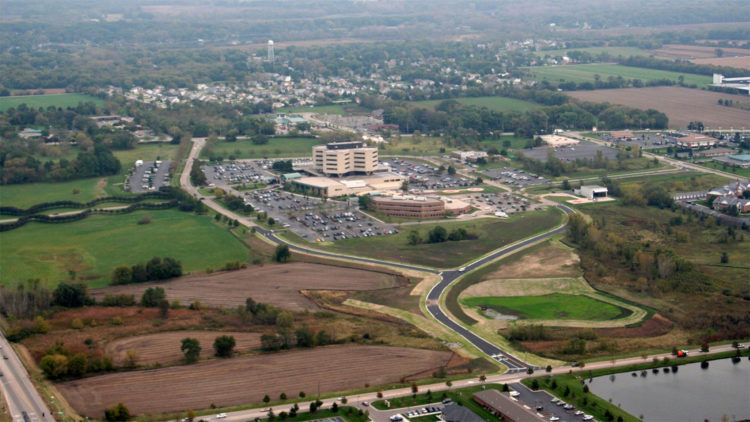
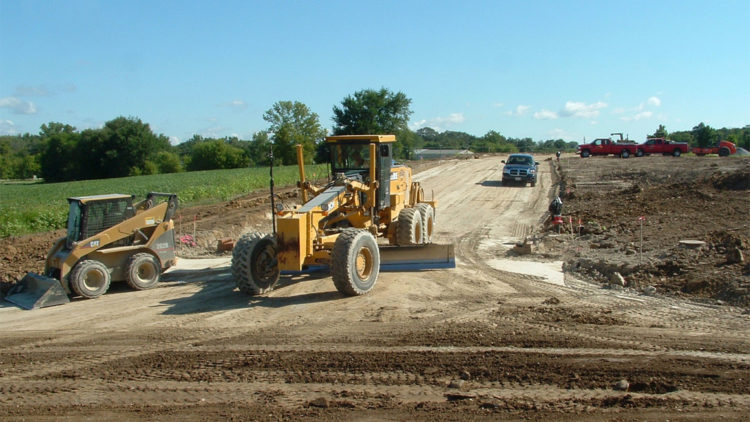
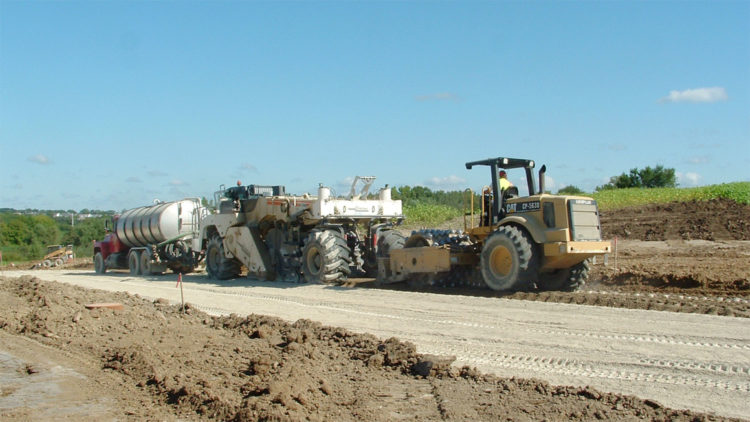
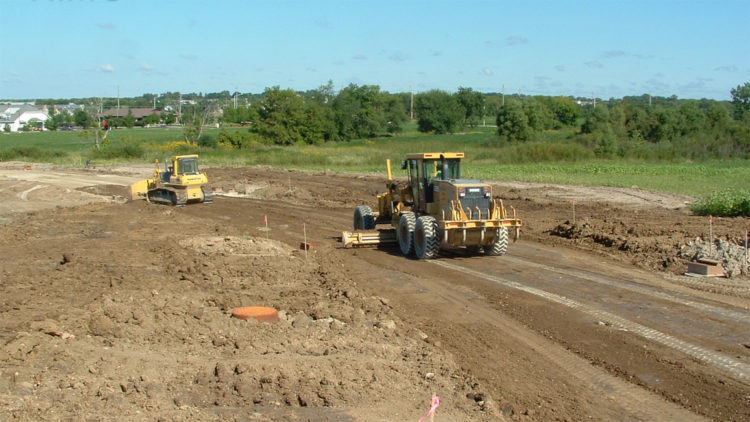
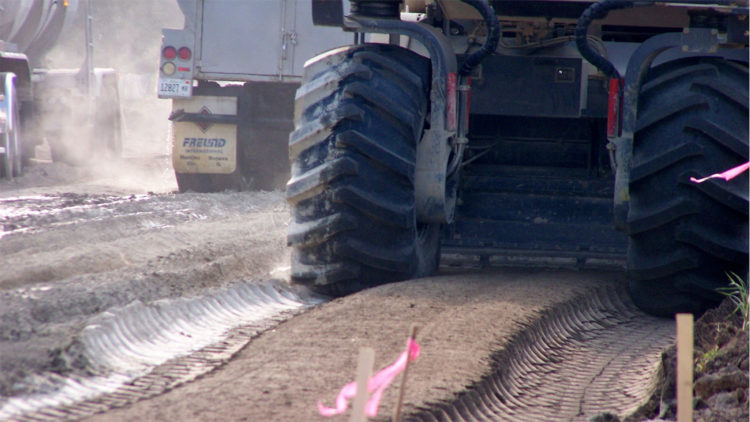
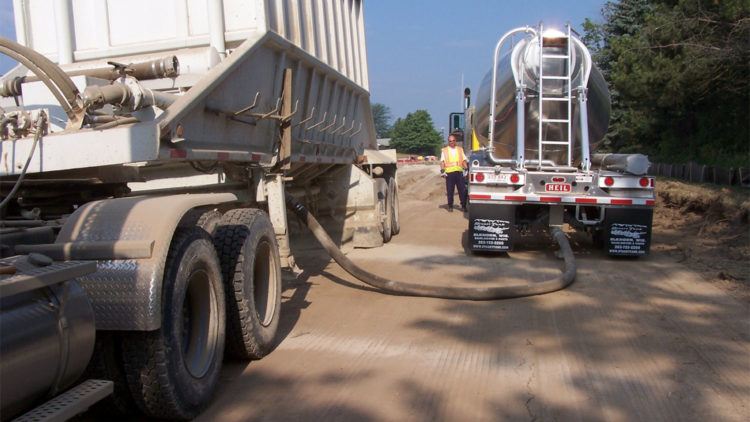
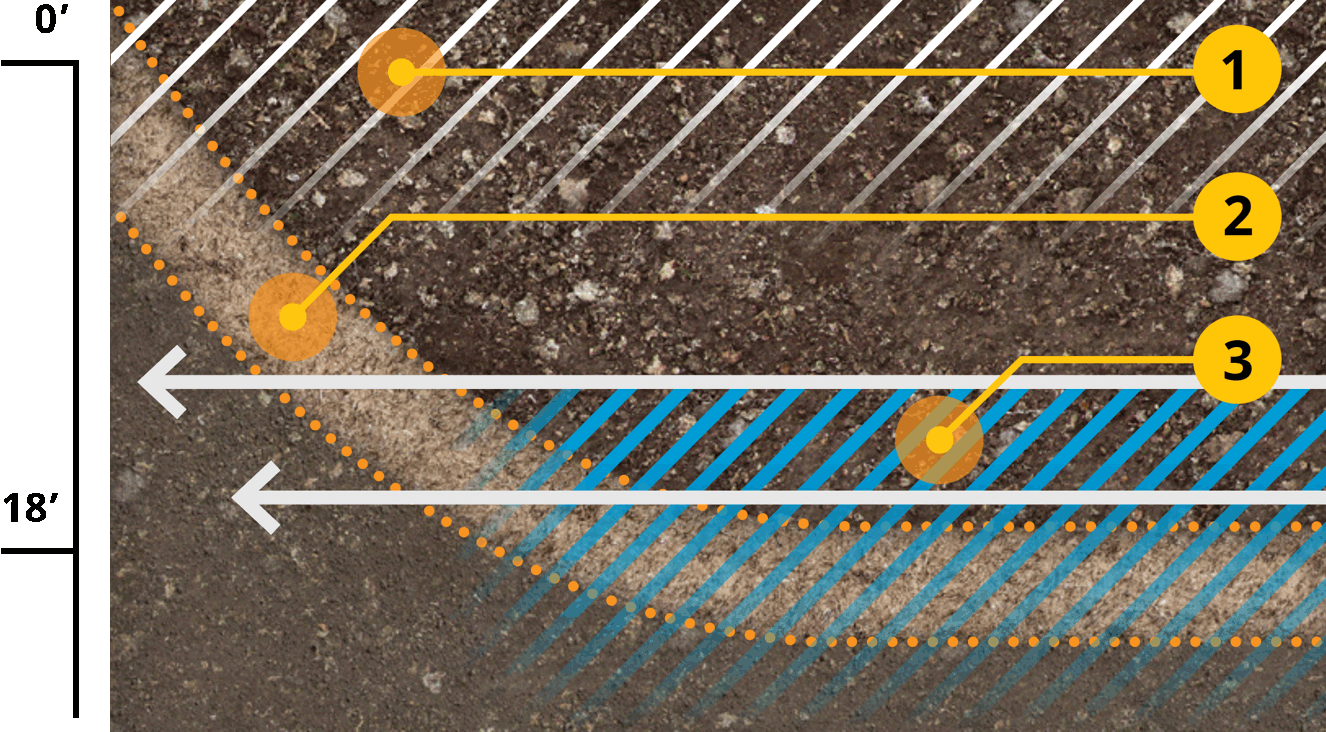
By utilizing soil stabilization as an alternative method, Rock Solid was able to maintain overall structural strength and produce a uniform sub grade for the entire road that cost no more than conservative estimates of the original proposal. Careful testing and analysis allowed them to design a soil mixture that included appropriate levels of fly ash, maximizing the structural coefficient and providing significantly increased stability to overlying structures. As a result, the new road would be more resistant to traffic loading and environmental stressors over time.
In total, the subgrade stabilization eliminated 470 truck loads of material to be hauled to and from the site. Stabilization saved 3,000 CY of unsuitable soil excavation and haul off, completely eliminating the need to import 4,500 tons of 3″ aggregate.
At its completion, the NIMC project was a resounding success. By implementing soil stabilization over a more traditional method, Rock Solid was able to build a structurally superior road on a budget that was controlled, in a way that significantly reduced any impact on the environment, and within a time period that caused little to no disruption to the day to day running of the hospital.
The $38,000 change order to utilize soil stabilization was mitigated by the reduction of 2” of bituminous base course from the initial design. The net cost to the owner was $0.00, but the increase to the overall strength of the road was increased by a structural coefficient of 0.84.
Advantages of soil stabilization on this project:
Cook County recently made the decision to rebuild 2 miles of deteriorating roadway, representing 27,000 square yards of road surface in the city of Orland Park. The existing pozzolanic base was rigid and contributing to reflective cracking, which meant that a simple asphalt overlay would not provide the best long term outcome. Facing costs upwards of $800,000 to remove and replace the roadway, the city was anxious to find a more suitable and effective solution.
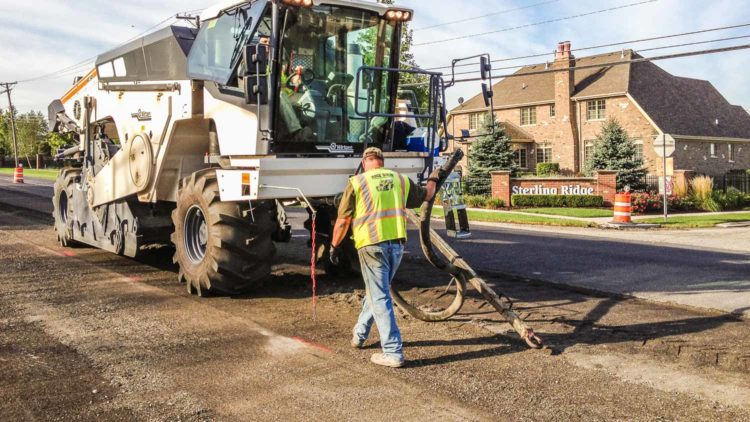
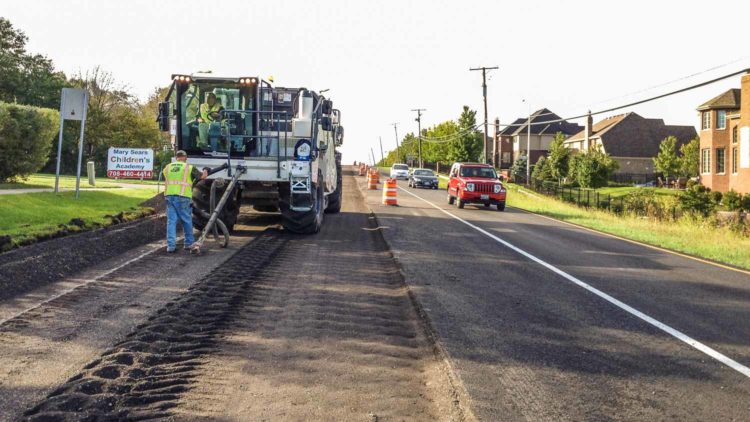
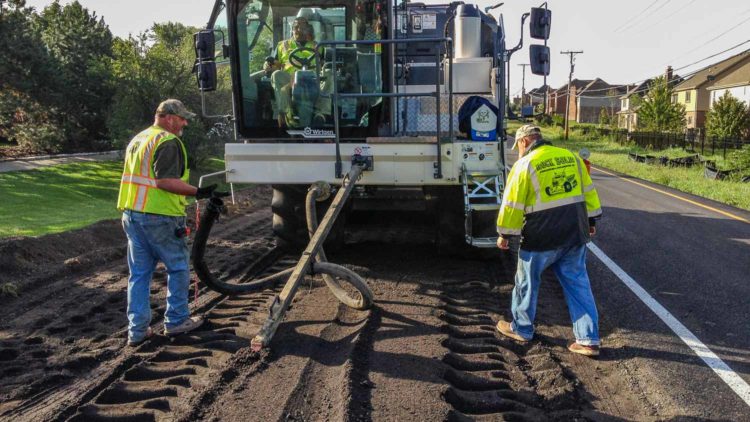
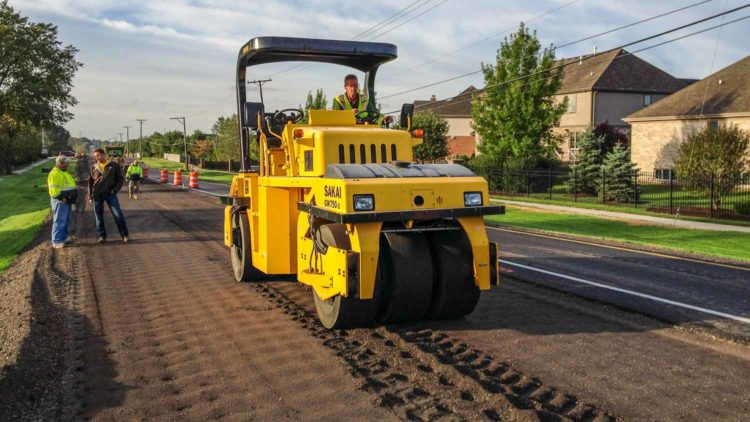
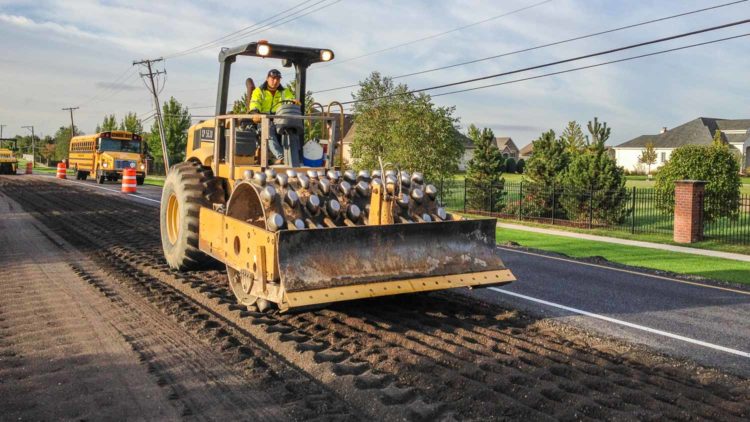
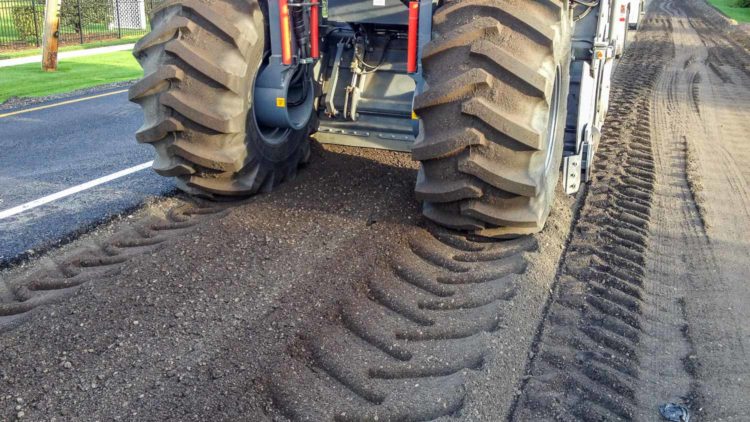
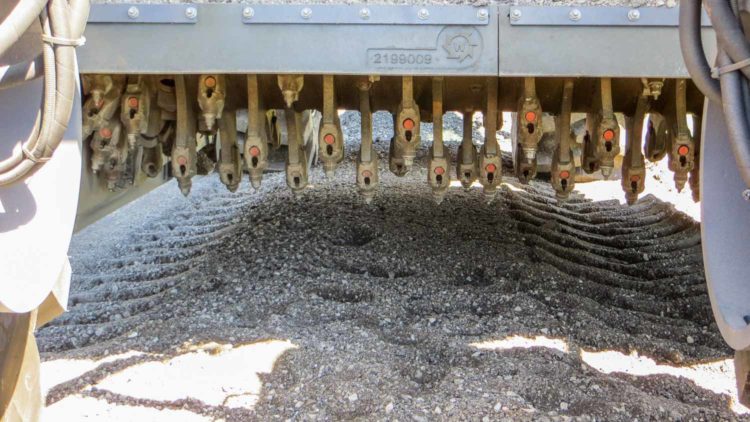
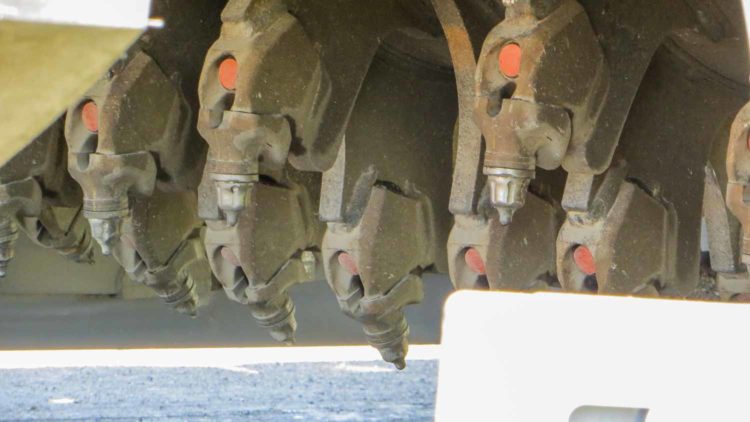
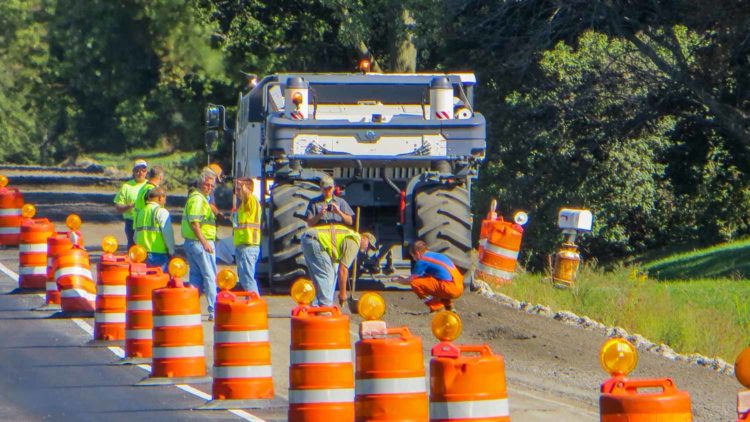
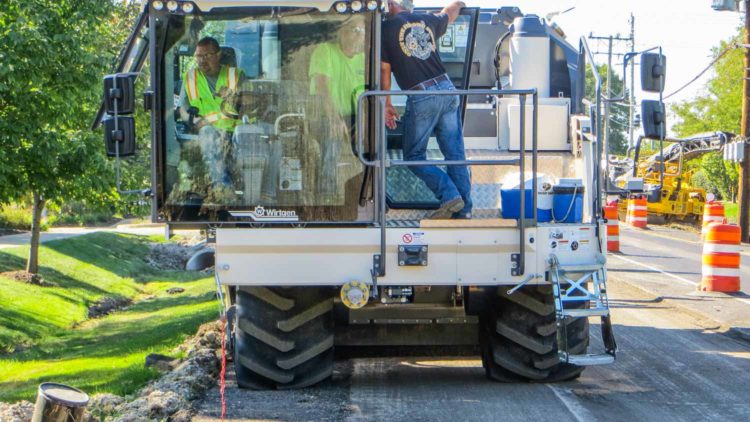
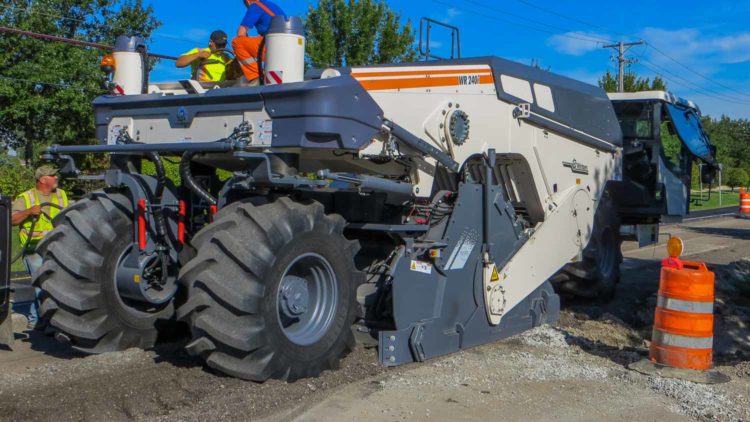
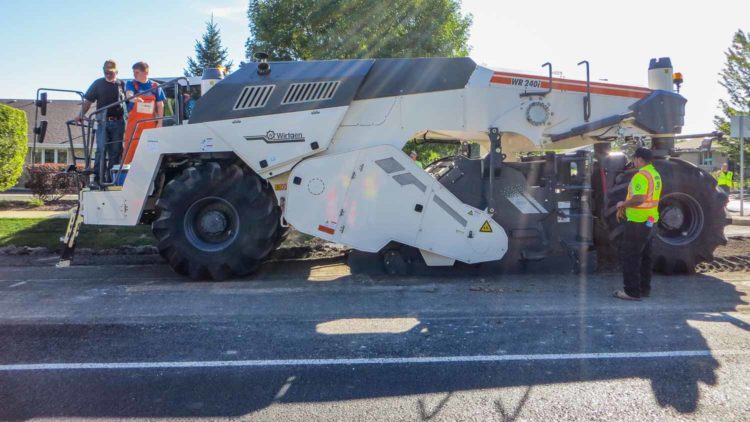
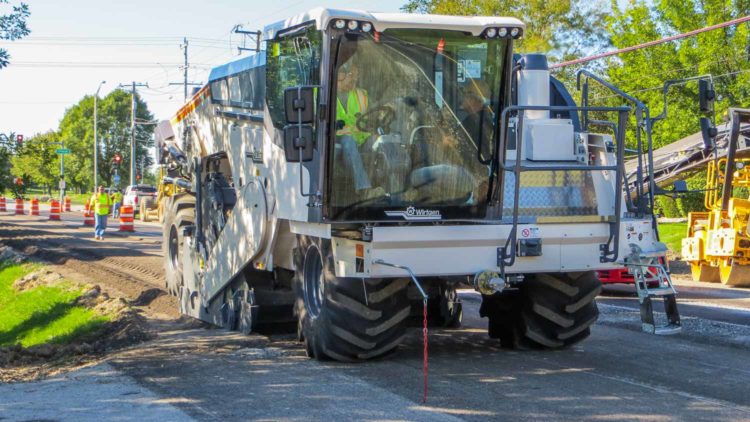
After consideration of all the available options, full-depth reclamation was chosen over a more traditional remove and replace approach because it meant that deep underlying pavement problems could be resolved and structural performance targets met at a fraction of the cost.
The result was a significantly shorter project timeline, taking only 4 days to complete compared with 5-10 days for traditional methods, and a savings of between $310,000-$428,000, 45-53% of the cost of the original remove and replace specifications. In total, Full-Depth Reclamation required only 17 semi-truck loads of material to be hauled on-site, compared with 1,198-2,538 loads of material that would have been needed if traditional methods had been employed.
Throughout the project, the contractor retained quality control processes, had field representatives on-site, and used core samples obtained prior to construction to inform mix designs that addressed the challenges of the inconsistent existing roadbed (from areas of shallow clay to varying width). Additional sample testing taken during construction verified soil density and moisture levels. As a result, all structural property targets were verified upon completion of construction.
Advantages to full-depth reclamation:
| Bit. Materials | 74,231 (GAL) | $2.55 | $189,289.05 |
| FDR Base Course 10″ | 27,415 (SY) | $7.15 | $196,017.25 |
| Total | $385,306.30 |
| Mill & Remove 18″ Existing HMA, AGG BASE, CLAY | 27,415 (SY) | $11.52 | $315,820.80 |
| 18″ CA-6 Agg Base | 27,415 (SY) | $13.86 | $379,971.90 |
| Total | $695,792.70 |
| Mill & Remove 8.5″ Existing HMA, AGG BASE, CLAY | 27,415 (SY) | $5.44 | $149,137.60 |
| 8.5″ CA-6 BAM | 27,415 (SY) | $24.23 | $664,265.45 |
| Total | $813,403.05 |